Hi! I'm Broch. I'm an artist and occasional writer fascinated by zoology, cryptids and paleontology. I'm particularly interested in cetaceans - I run the blog Paper Whales where I examine invalid cetacean species and whale-like cryptids. I'm generally a skeptic and don't believe new species should be claimed without sufficient evidence, but cryptids fascinate me as a cultural, psychological and zoological phenomenon all the same.
If I'm doing a lot of tiny edits very quickly I'm probably shifting pages out of a duplicate category into the bigger of the two identical categories so I can hide the duplicate by turning it into a redirect. Could I create a bot that does this for me much faster? Probably, but I'm too lazy to figure out how to code it and sometimes I just enjoy the busywork.
Some of my art:


Cryptids I'd like to make illustrations for
A list for my own personal reference.
- Kara-duku
- North Shore Monster
- Hoppie
- Xiphis
- Vulture Man
- Lariosauro
- Monster of Bor Lake
- Bird Beast of Var
- Mussie
General bookmarks
- Gauarge
- Muc-sheilch
- Girt Dog of Ennerdale
- Crazy Critter of Bald Mountain
- Domenech's Pseudo-goat
- Wikipedia - British Big Cats on 29 May 2023
- Scottish Big Cats Links Page
- TALL TALES RUN DEEP IN LORE OF THE LAKE
- Euphrosyne dolphin, 1949
Some vintage cryptid websites for your viewing pleasure
Special Pages
Above is just a link so I can quickly access this wiki's Special Pages directory.
Sandbox
|
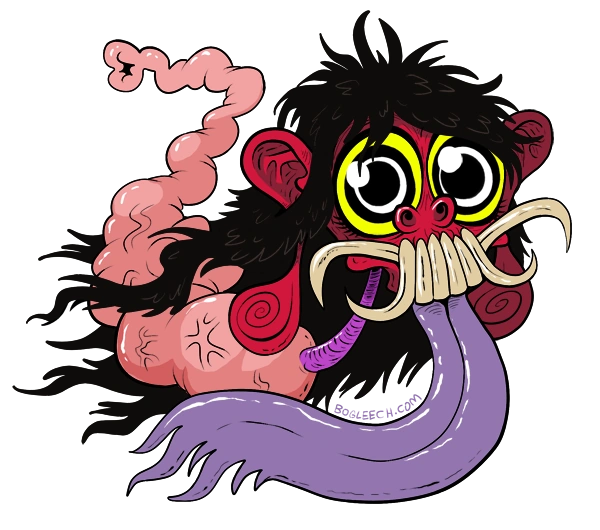
"As unpredictable—and probably just as controversial—as UFOs, Leyak are a supernatural phenomenon most feared by many Indonesians."
This article is a stub. You can help the Cryptozoologists and Cryptobotanists on Cryptid Wiki find other information or by expanding it. |
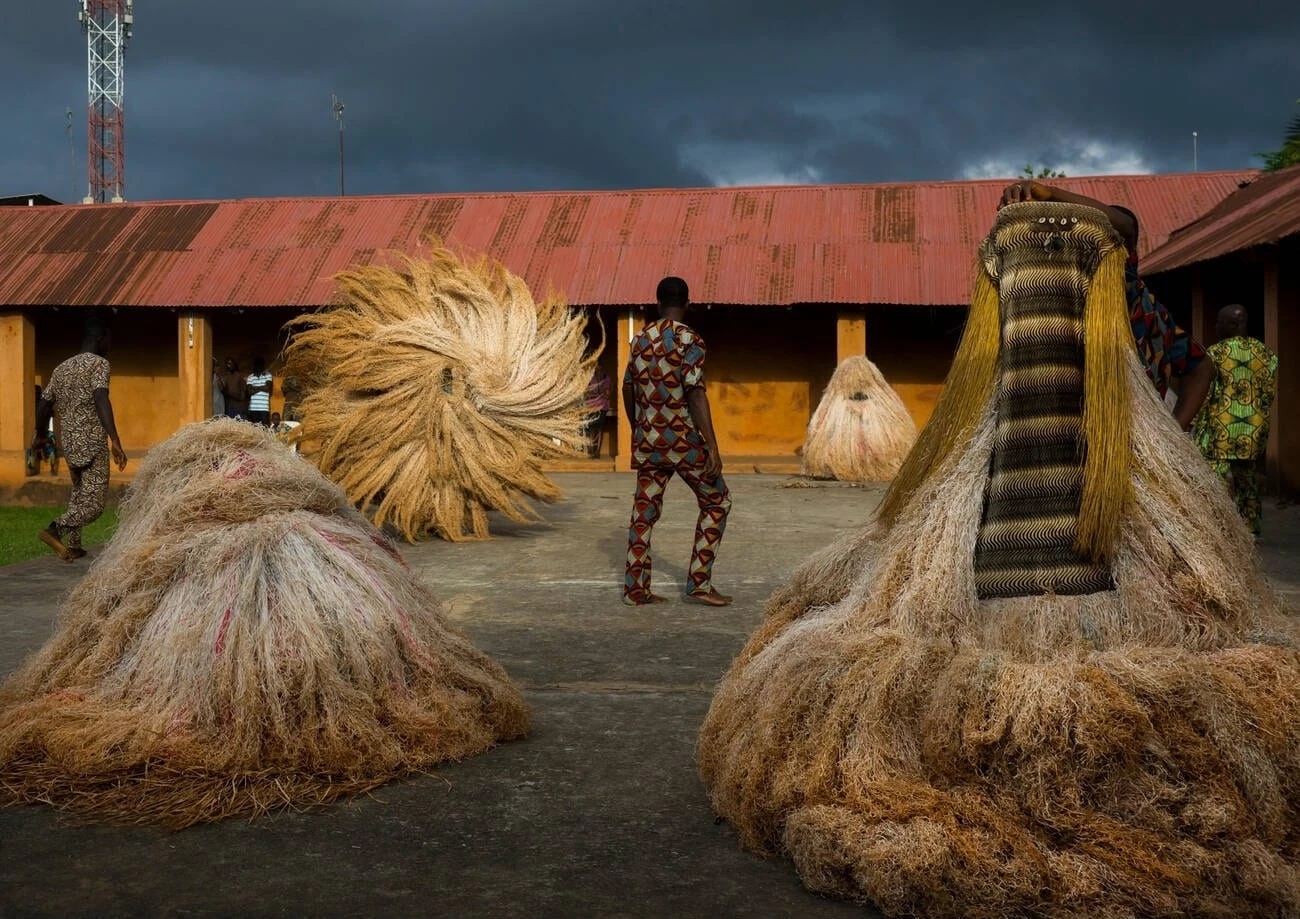
Zangbeto (night-hunter, night-watchmen, or night-people) are strange spirits from the Ogu folklore of west Africa. Their bodies resemble haystacks, but it is said that no human or creature can be found beneath their haystack-like robes. Touching them or suggesting that a person can be found underneath the raffia is a serious offense. They come from the Voodoo or Vodum religion.
Traditionally, Zangbeto were guardians of the community who worked at night, warding off and apprehending criminals and thieves, sometimes with the aid of police in modern times. If a criminal did not pay his fines or amend his behavior after being found guilty, the zangbeto would curse and blackmail him, making his crimes known to the community. An annual festival is held every year celebrating the positive religious, political and social influence the spirits have.

They are usually given sacrifices like totems and live animals, specifically goats and chickens. They can supposedly make miracles like walking on water, eating glass, speaking, moving while on fire, ride motorbikes, make animals and objects appear suddenly, etc.
Types
- Zaholu: The boss/leader of all Zangbetos, who comes from the sea once every three years and is larger than the average Zangbeto.
- Ataho: The most common and famous of all Zangbetos, usually doing miracles such as eating glass, surviving fire, and giving birth to tiny Zangbetos.

- Oho Yin Yin Ataho: The most simple costume-wise, but they are generally younger, faster, and stronger, and can transfer those traits to the community.

- Ohosi: Ones with a visible "hood" coming from the costume, often having horns on top too, occasionally called "Goat", these spirits are more warrior-esque, the name of this Zangbeto is feminine (Si), and it has masculine traits, suggesting Zangbetos don't have a clear gender.

_and_what_seems_to_be_Oho_Yin_Yin_Ataho_(Left).jpg)




Similar creatures
- Kumpo
External sources
Videos
- Video of a Zangbeto dancing in Vodoun Festival
- Zangbeto coming through the sea
- Zangbeto at night
- Zangbeto near Ouidah, Benin
- Smaller Zangbeto
- Tiny baby Zangbeto appeared under Zangbeto
- Zangbeto rolling around
- Zangbeto jumps from a wall
- FESTIMA - The Vodoun (Zangbeto) from Togo
- Special smaller leaf Zangbeto on the street
- Zangbeto swimming